You land in Florence on a Tuesday morning. By Wednesday afternoon you have walked past forty shops with the word pelletteria in the window. Stalls in Piazza San Lorenzo. A long row of leather windows around Santa Croce. Vendors outside the Mercato Centrale calling out half-prices. Most of what you are looking at was not made in Italy. The label says it was. The question is how you tell the difference, and where to spend the morning if you want a piece that outlives the trip.
The tourist trap problem
Florence is the historic capital of European leatherwork. It is also, today, the European capital of leather-shaped retail tourism. The two facts coexist on the same streets and confuse most visitors.
Walk the centre between Piazza del Duomo and Santa Croce. You will count more than two hundred shops selling leather goods within a fifteen-minute radius. The overwhelming majority of those shops do not make what they sell. They import finished pieces from production hubs in Pakistan, India, China and Turkey, apply a Florence-branded paper tag at the till, and stack them in a window that looks indistinguishable from a real atelier next door.
The trade press refers to this as label washing. The practice is legal under current EU rules if any final operation, including the stitching of a brand label, happens on Italian soil. The leather can be tanned abroad. The hide can be cut abroad. The construction can be assembled abroad. As long as the last needle goes through it in Italy, the piece can carry a Made in Italy mark in some categories. The buyer assumes Tuscan workshop. The reality is Karachi cutting room.
This is not a fringe phenomenon. Industry estimates from Italian trade associations suggest a majority of leather goods sold to tourists in central Florence are imported and finished, not made. The exact percentage is debated and the methodology is contested. The direction is not. Anyone who has worked in Florence leather for thirty years can walk the central streets and point out which shops produce, which assemble, and which only resell.
The pricing makes the trap easy to fall into. A small bag at a San Lorenzo stall might be marked at 80 euros, reduced to 50 after a polite haggle. The tourist takes home what feels like an Italian souvenir at a fraction of US retail. Six months later the surface coating peels at the corners, the lining tears at the seam, and the piece ends up in a drawer. The actual purchase, if you had walked five streets further to a real atelier, would have cost three to five times as much and lasted three decades. The arithmetic only makes sense across years, not at the till.
The visitor profile compounds the problem. Most leather buyers in central Florence have a half-day window, often less. They are between the Uffizi and a 3pm aperitivo. They speak the local language only enough to thank the vendor. The shop knows this. The pitch is designed for the time-pressed visitor who wants the trip-souvenir, not the lifetime piece. Honest ateliers, by contrast, work at conversation pace. They want fifteen minutes of your morning, not two minutes of your transit. The pace of the encounter is itself a signal of what you are walking into.
The five signs of a real Florence leather atelier
You do not need to know the leather industry to tell an atelier from a souvenir shop. Five quick checks, all verifiable in the first minute of walking in, separate the two with reasonable confidence.
Sign one: a visible workshop
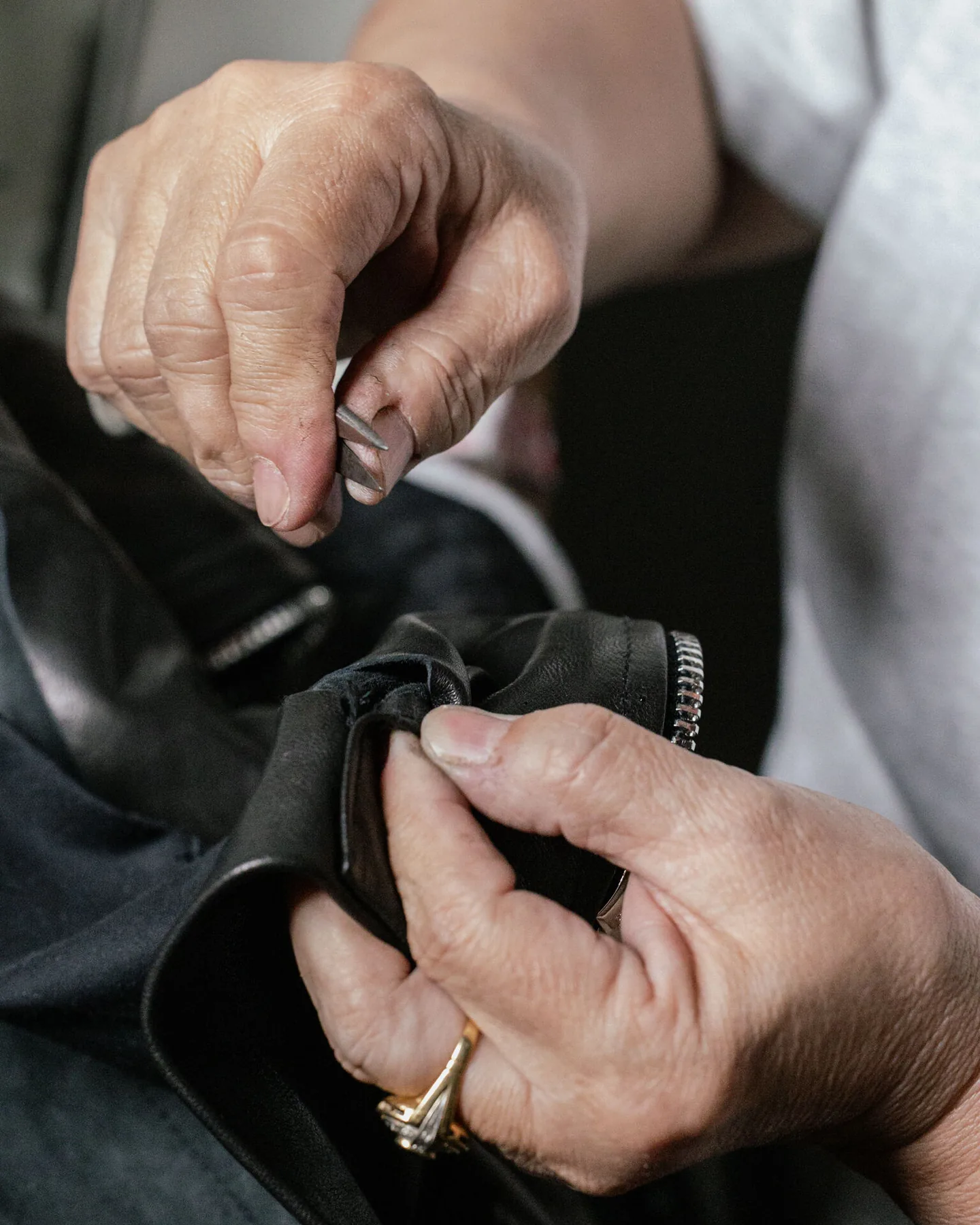
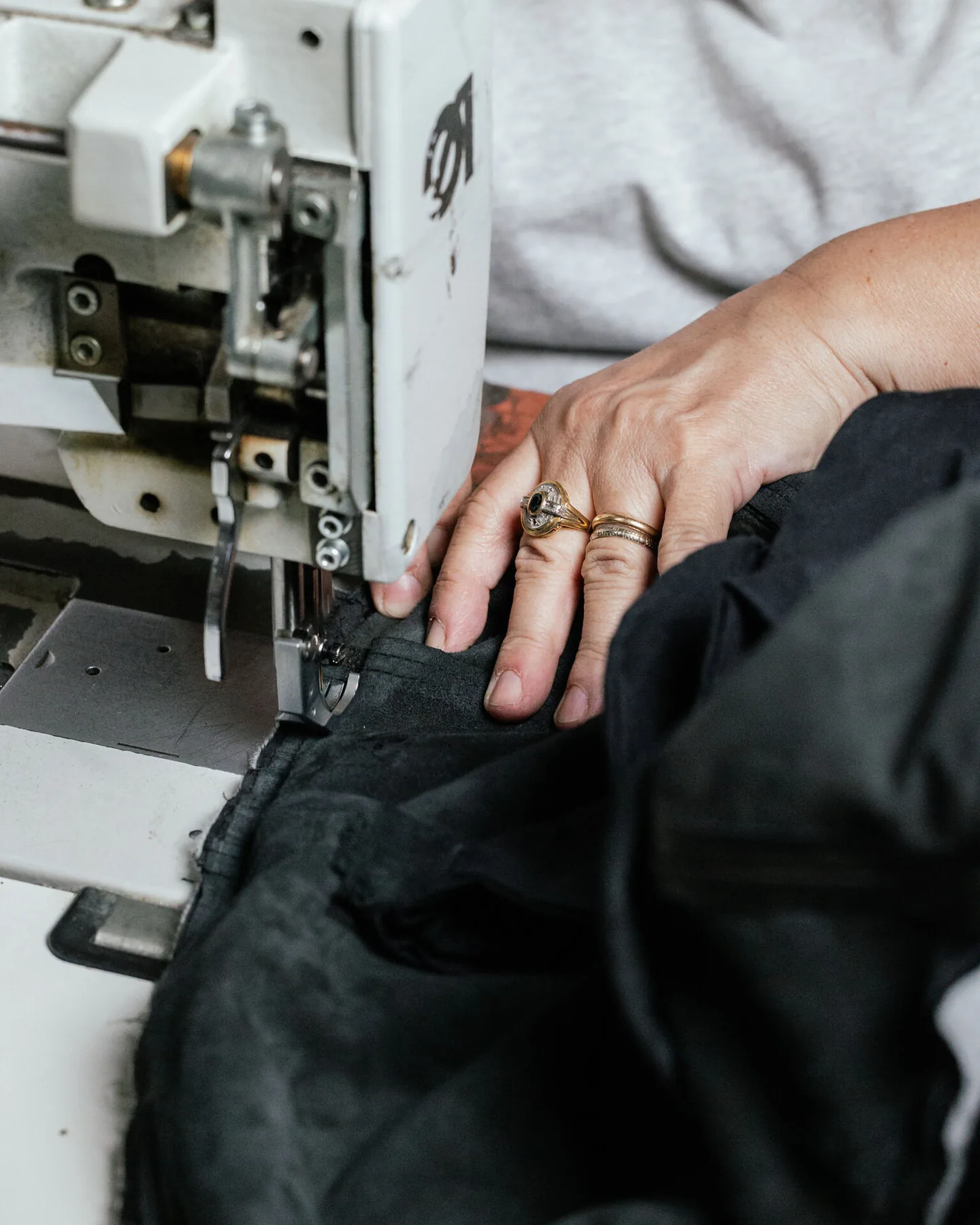
The single fastest test. A real atelier has a workbench you can see from the door. Tools on the bench. Half-finished pieces on hooks. A roll of thread, a strop, a leather punch, a sewing horse. Hides stacked or hung somewhere, unfinished and visible. The workshop is not hidden in a back room or relocated to a suburb. It is the front half of the shop, and the retail is the smaller half.
If you see only finished products on shelves, with no bench, no tools, no leather in the raw, you are in a retail point of sale. Whatever the storefront sign says. The piece on the shelf was made elsewhere and brought here to be sold. That does not automatically mean it is bad, but it does mean the word atelier on the sign is decorative.
How to apply it: walk in, look past the displays toward the back wall. If there is no workbench within sight, ask politely where the workshop is. A real maker will tell you the bench is right there and offer to show you what is being worked on. A reseller will say the workshop is in another location, in another town, or vaguely "outside Florence".
Sign two: vegetable tanning, verifiable
Tuscan leather has a specific identity. Vegetable tanning, using bark extracts from oak and chestnut, performed in the tanneries clustered around Santa Croce sull'Arno, west of Florence. There is a formal trade body, the Consorzio Vera Pelle Italiana Conciata al Vegetale, that certifies hides tanned this way. Member tanneries provide a numbered certificate that real ateliers display or produce on request.
You do not need to memorise the consortium name. Ask the shop a simple question: is this leather vegetable-tanned in Tuscany? Real ateliers answer specifically. They name the tannery, often by family name, sometimes by town. They will pull a card or a tag from the piece and show you the certification mark. Tourist shops answer in generalities, or shift the conversation to colour and price.
Sign three: same family, same address, for decades
Authentic Florence leather is a craft passed down. Most real ateliers in the centre have been at the same address for two, three, sometimes four generations. The current master can tell you when the workshop opened, who founded it, what changed in the family, why they kept it on the same street.
Ask the question directly. "How long has your family been here?" A real artisan answers with a year, a generation, a story about the grandfather. The answer is not rehearsed. It comes with a small detour about how the neighbourhood used to be. A reseller deflects. They say the brand was founded last decade, or the company has shops in multiple cities, or they pivot to talking about the product range.
Sign four: bespoke service, with a real lead time
This test catches almost every fake. Ask if they make a jacket to your measurements. Watch the answer.
A real atelier says yes, and quotes a lead time. Eight to twelve weeks for a jacket. Six weeks for a hand-woven bag. Three weeks for a belt. They explain the process. They mention a fitting in toile. They quote a price range. They suggest you come back when you have time to be measured properly.
A tourist shop says yes too, and quotes two days. They might say three. They might offer to ship it to your hotel before you fly out. This is impossible for real bespoke leather. The work cannot be compressed. Cutting, stitching, fitting, drying, finishing each take their own time. Anyone promising bespoke in days is selling you a modified ready-made piece, or selling you nothing at all and hoping you forget to follow up.
Sign five: the maker is on the premises
Real ateliers are run by named people who work at the bench. The master is present. The team is small, usually two to five hands. Walk in during morning hours, between nine and noon, and the master should be there. If not, the staff will tell you exactly when. "He is at the tannery this morning, back at three." "She is finishing a piece in the back, I will call her."
Tourist shops are run by sales staff who rotate. Nobody is the maker. Everyone is a seller. Ask for the artisan and the question lands awkwardly. The answer is a generic reassurance that the products are made by local craftsmen, somewhere, somehow. No name, no face, no schedule.
Five signs. Visible workshop, traceable leather, family history, real bespoke lead time, maker on site. Any real Florence atelier will pass all five inside two minutes of conversation. A tourist shop fails most of them in the first thirty seconds. With this filter you can walk the centre and triage forty shops down to the five that are worth your hour.
The ateliers worth visiting in 2026
Florence has perhaps a dozen leather workshops in the historic centre that pass all five tests. Each has its own specialism. The right one for you depends on what you came looking for. The list below is honest and partial. It includes our own atelier on the same terms as the others, because the editorial point of this guide is to send you to the right craft, not to ours specifically.
Scuola del Cuoio sits behind the Basilica of Santa Croce, in a former monastery wing. It was founded after the war by Franciscan friars and the Gori and Casini families, with the original purpose of training orphans in a trade. It still operates as both a working school and a retail atelier. The space is large, the production is visible, the tour element is part of the offer. The best choice if you want a guided workshop visit alongside the purchase, or if you are travelling with a group and want a structured experience. Strong on bags and small leather goods.
Madova stands at the foot of the Ponte Vecchio, on the Oltrarno side. The family has produced leather gloves on the same premises since 1919, across four generations. They have a near-mythic status in the international travel press because gloves are their single category and they have never diversified. The best choice if you specifically want gloves: cashmere-lined, silk-lined, unlined, every colour. They do not make jackets or bags. This focus is the point.
Cellerini is on Via del Sole, near the Duomo. An old Florentine family of leather workers, known for bags, briefcases and luggage. The workshop has the character of an artisan house rather than a tourist shop. Pieces are built to last and the catalogue evolves slowly. The best choice if you are after a structured bag or a piece of luggage with a clear lineage and you value a quieter buying experience.
Pierotucci operates from a larger facility outside the immediate historic centre, with a retail showroom near Piazza Santa Croce. It is a different scale from the workshop ateliers, closer to a small leather firm with a craft tradition, and serves the wholesale market alongside retail. The best choice if you want a wider catalogue under one roof, prefer to see many models in stock, or are buying for a shop or boutique back home.
Riva Firenze is on Via del Proconsolo, five doors from the Duomo. The atelier is run by Marco Riva, third generation on the same street, working from the same bench as his father and grandfather. The category focus is jackets, with bespoke as the core offer and a smaller line of bags, gloves and belts alongside. Repair service is offered for life on pieces made in the workshop, and case by case for pieces made elsewhere if the original construction allows it. The best choice if a jacket is the reason you came to Florence, or if you want a working artisan to walk you through a commission from measurement to delivery.
Each of these has a different best fit. Madova for gloves, Cellerini for bags, Scuola del Cuoio for a tour experience, Pierotucci for breadth of stock, Riva for jackets and bespoke. None of them is the universal answer. The right atelier is the one matched to the piece you came for. The wrong question is "which is the best in Florence". The right question is "what am I actually trying to take home".
How to visit without being sold to
If you want the visit to be useful, treat it as a conversation with a craftsman, not a shopping errand. A few practical notes.
Go in the morning. Between nine and noon, the masters are at the bench. After lunch, between one and three, many ateliers close for the pausa pranzo or the master is out delivering or sourcing. Afternoon retail is often staffed by family members or assistants. They are perfectly competent for browsing, but you will not get the same conversation about leather, technique and project that the master gives.
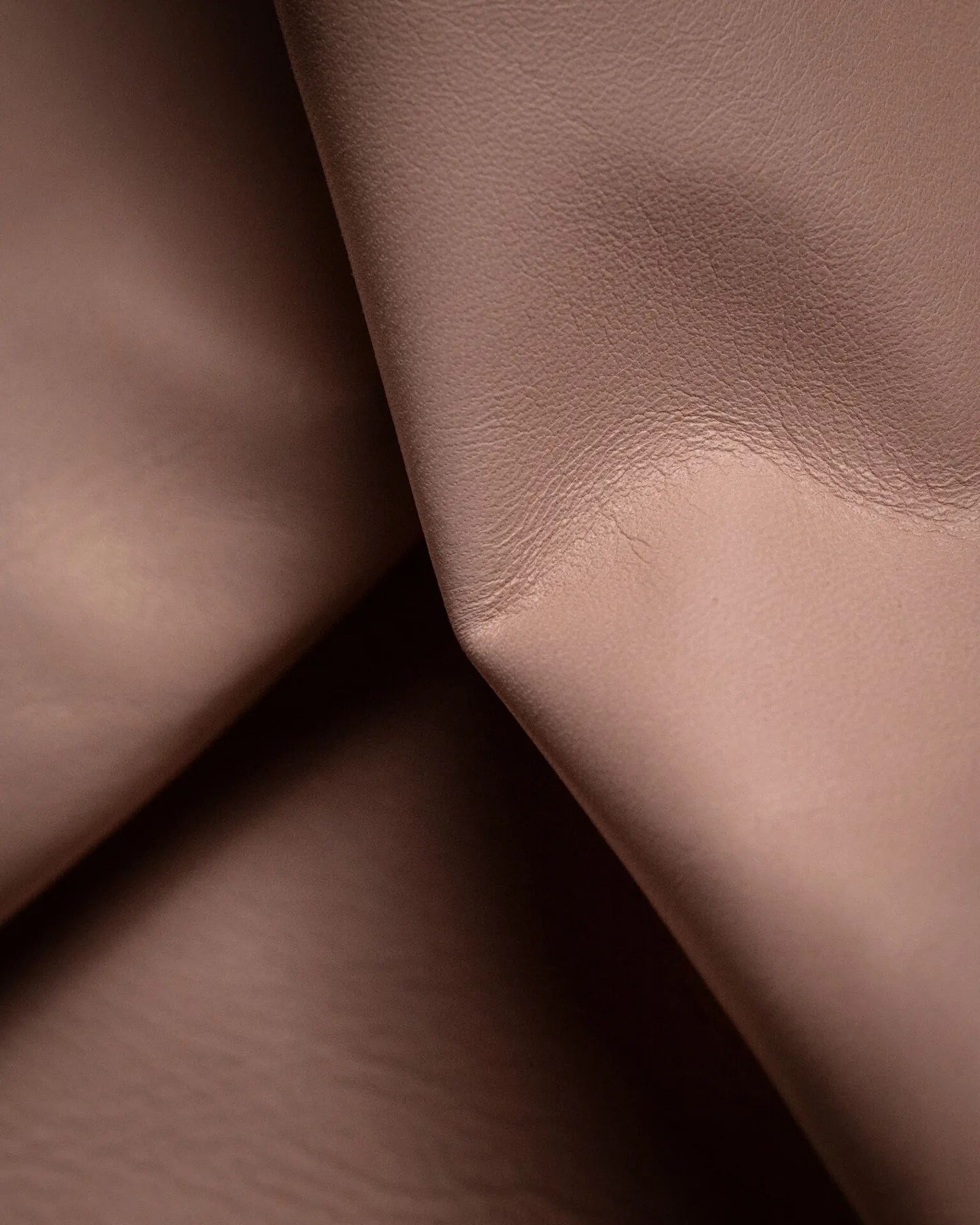
Ask to see the work in progress. Real ateliers will show you. A jacket on the bench, a bag being woven, a piece of toile pinned to a form. Watching the work for ten minutes tells you more than reading a catalogue for an hour. The texture of the leather, the rhythm of the hand stitching, the smell of the wax. These do not photograph well. They are why the trip matters.
Bring your card and a notepad. For a purchase off the shelf, a card is fine. For a bespoke commission, the atelier may ask for a deposit by bank transfer rather than card, especially for international clients. This is not suspicious. It is how craft businesses keep margins stable on multi-month builds. Ask for the certificate of authenticity and the lifetime repair note in writing. A real atelier provides both.
Do not insist on speed. If the atelier tells you the master is not in today, come back tomorrow. If they say the jacket needs ten weeks, plan for ten weeks. The instinct to push for faster delivery, common among visitors with tight schedules, is the single fastest way to end up with a piece you do not want. The reseller who promises tomorrow is the one who hands you the Pakistan import. The atelier that asks you to wait is the one whose piece you will still be wearing in 2046.
A note on authenticity versus souvenirs
It helps to be honest about what you want from the trip. A souvenir and an atelier piece are different objects with different jobs.
A souvenir is something that proves you were here. A magnet, a tea towel, a small leather coin purse from a stall. It costs little, it shows the city's name, it sits on a shelf at home as a marker of the trip. There is nothing wrong with souvenirs. They serve their purpose. The San Lorenzo and Santa Croce markets do this honestly enough, and ten minutes browsing them is a fair part of the Florence experience.
An atelier piece is something that starts a relationship. The first wear is the beginning. The patina that develops over five years is the middle. The repair you bring it back for at year fifteen is the next chapter. A leather jacket from a real Florence atelier costs between 1,500 and 3,500 euros depending on the hide and the construction. That is the same price range as a high-end American department store jacket from a comparable label. The difference is the second decade. The atelier piece is still on your shoulders in 2046, darker and softer. The department store equivalent went into the donation bag in 2031.
Our oldest clients return wearing belts their fathers commissioned in the Seventies, in cuoio toscano full-grain, still in use after forty years. That is the verifiable longevity. It is the only metric that matters when you are choosing between an 80-euro stall piece and a 2,000-euro atelier piece. The arithmetic is hidden at the till and becomes obvious only across years.
The morning, in summary
Florence rewards visitors who arrive with a small framework in mind. The framework above is not ours, it belongs to anyone who has worked leather here long enough to see the city change. The tourist trap is a real phenomenon. The five-sign filter genuinely separates makers from resellers in under two minutes. The shortlist of ateliers is partial and there are others worth your time, but the ones named have all earned their place over decades, not seasons.
If you want gloves, walk to Madova. If you want a structured bag, find Cellerini. If you want the workshop tour and the school context, head behind Santa Croce to Scuola del Cuoio. If you want breadth and stock, look at Pierotucci. If a jacket is the reason you came to Florence, you will find us at Via del Proconsolo 5r, a short walk from the Duomo, seven days a week. If you do come to Riva, we will show you the workbench before the merchandise. That is the test.
For more on what bespoke actually involves once you walk in, see our piece on how a bespoke commission really works. For the deeper version of the spotting test, with attention to specific leather grades, see how to spot a real leather jacket in Florence. For the long-view comparison between artisan leather and the alternatives, the artisan versus synthetic note covers what changes after ten years of wear. The Collection shows what comes out of our workshop, and the Journal covers the rest.